

Reading about skin flooding and actually doing it are two different experiences. The concept makes intuitive sense once you understand the science behind humectants, emollients, and occlusives, but standing at the bathroom sink with four or five products in front of you and a two-minute window before your skin dries out is a different proposition entirely. What goes first? How much do you use? How damp is damp enough?
This article answers those questions directly and practically. The routine outlined here is designed for someone building a skin flooding practice for the first time, which means it starts simple, uses widely available products, and builds the method as a habit before adding complexity. There will be time to optimize and refine once the fundamentals are second nature. For now, the goal is a routine that works from the very first attempt.
Contents
Before You Start: Setting Up for Success
The most common reason a first attempt at skin flooding feels chaotic is poor preparation. The routine requires moving quickly through several steps while your skin is still damp, and that is genuinely difficult to do if you are uncapping bottles and searching for products mid-routine. A small investment in preparation before you begin makes the whole process feel calm rather than rushed.
Lay every product out on your counter in the order you plan to use it before you turn on the tap. Open the caps or pump tops so nothing requires two hands to open. If your bathroom is cold or the air is particularly dry, consider running the shower briefly to add a little humidity to the room before you cleanse. That ambient moisture gives you a slightly longer working window and helps humectants perform at their best. With your products staged and your environment ready, you are set to begin.
What You Will Need
A beginner skin flooding routine uses four products: a gentle cleanser, a hydrating toner or essence, a humectant serum, and a moisturizer. The occlusive final step, which many experienced practitioners include, is intentionally left optional here. It is worth introducing after you have practiced the four-step version consistently for a couple of weeks and confirmed that your skin is responding well. Adding too many variables at once makes it harder to understand what is and is not working for you.
Step One: Cleanse Gently
The goal of cleansing in a skin flooding routine is not thoroughness at any cost. It is clean, barely-dried skin. Choose a gentle, non-foaming or low-foam cleanser, a cream, milk, or soft gel formula that does not leave your skin feeling tight or stripped after rinsing. Harsh foaming cleansers with aggressive surfactants remove not just makeup and dirt but also the skin’s natural oils and some of the lipid content in the stratum corneum, which is exactly what you are trying to protect and replenish.
Massage the cleanser in for about thirty seconds, rinse thoroughly with lukewarm water, and then reach for your towel. Pat, do not rub, and stop before your skin is fully dry. You are aiming for skin that is damp to the touch, the way a slightly wrung-out cloth feels: not dripping, but noticeably wet. If your skin dries completely before you finish patting, splash a little water back on before you move to the next step. From this point, you have roughly two to three minutes before the surface moisture evaporates and the optimal absorption window begins to close.
Step Two: Apply a Hydrating Toner or Essence
With your skin still damp from cleansing, apply your hydrating toner or essence. This step adds the first intentional layer of hydration and primes the skin to receive everything that follows. Look for a water-based formula containing glycerin, panthenol, niacinamide, or aloe vera. Avoid toners that contain high concentrations of alcohol, which will work against the hydration you are trying to build.
You can apply a toner with your hands or a cotton pad, but hands are generally preferable for skin flooding because they waste less product and allow you to press the formula gently into the skin rather than wiping it across the surface. Pour a small amount into your palm, press both hands together briefly to warm it, then press it gently into your face and neck in sections. Do not rub. The pressing motion encourages absorption and keeps the skin surface damp rather than disturbing it.
A Note on Essences
Essences occupy a category between toner and serum in terms of consistency and concentration. If you already have an essence you enjoy, it works perfectly in this step, either instead of or layered directly after a thinner toner. The distinction between the two matters less than choosing a formula that is genuinely hydrating rather than one that is primarily pH-adjusting or exfoliating. In the context of skin flooding, this step is about building moisture, not treating the skin with active ingredients.
Step Three: Apply a Humectant Serum
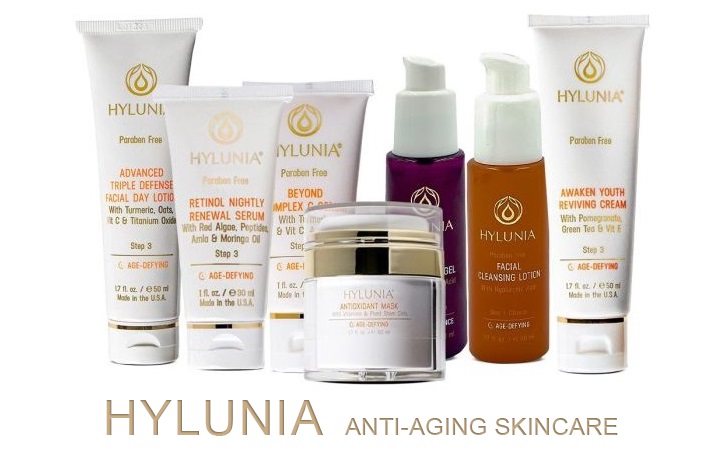
The humectant serum is the centerpiece of the skin flooding routine. Apply it immediately after your toner, while your skin is still damp from both the cleanser rinse and the toner application. A hyaluronic acid serum, a glycerin-forward serum, or a formula that combines several humectants such as sodium PCA, panthenol, and beta-glucan are all excellent choices. Avoid serums that combine humectants with strong exfoliating acids or high-concentration retinoids in this step; those active ingredients have their own timing requirements and belong in a different part of your routine.
Use two to three drops for the face, or a pea-sized amount if the product is slightly thicker. Press it into the skin using the same gentle pressing technique as the toner, moving across your forehead, cheeks, nose, and chin. Pay attention to areas that tend to feel tighter, the sides of the nose, the forehead, and the area around the mouth, as these benefit from a slightly more deliberate application. Give the serum ten to fifteen seconds to begin absorbing, then move directly to the next step while the skin is still slightly tacky.
Step Four: Apply Your Moisturizer
The moisturizer seals in and builds on everything applied in the previous two steps. Choose a cream or lotion that contains a combination of emollient and humectant ingredients. Ceramides, squalane, shea butter, and fatty alcohols are all signs of a formula designed to support barrier function rather than simply sit on the surface. Apply a generous but not excessive amount: enough to cover the face evenly without feeling heavy or leaving a thick residue.
Use your fingertips to press and smooth the moisturizer across the face, working it gently into the skin rather than tugging. At this stage the serum layer beneath may still be slightly tacky, which is fine and actually helps the moisturizer layer adhere evenly. Give the moisturizer one to two minutes to settle before adding anything else, including sunscreen in the morning or, when you are ready to introduce it, an occlusive layer at night.
Adding the Occlusive Step When You Are Ready
After two weeks of consistent practice with the four-step version, and assuming your skin is responding well with no new congestion or sensitivity, introduce a light occlusive as the final step in your evening routine. A thin layer of plain petrolatum, a dedicated overnight balm, or a few drops of a denser face oil pressed gently over the moisturizer is all that is needed. You are not applying a thick mask; you are adding a light, preserving film over the hydration you have built beneath it.
Morning routines can follow the same toner, serum, and moisturizer sequence but should finish with a broad-spectrum SPF rather than an occlusive. Many mineral and chemical sunscreens contain enough emollient and occlusive ingredients to serve as the sealing step on their own, which simplifies the morning routine considerably. If your sunscreen is very lightweight, a thin layer of your usual moisturizer beneath it provides the emollient support it may lack on its own.
Tracking Your Results
Give any new routine at least two weeks before drawing conclusions. Skin adjusts gradually, and the improvements that skin flooding produces in barrier function and sustained hydration accumulate over days rather than appearing fully formed after a single use. A simple habit of noting how your skin feels in the evening before cleansing, as a baseline comparison to how it felt before you began, gives you a reliable way to assess whether the routine is moving in the right direction without the distortion of comparing day-one results to week-two expectations.