

Eczema isn’t just dry, itchy skin that needs more moisturizer. It’s a fundamental dysfunction in how your skin barrier operates at a cellular level. Understanding what’s actually happening in your skin – the molecular deficiencies, immune responses, and structural problems – transforms how you approach treatment. Instead of endlessly applying creams that provide temporary relief, you can target the root causes and build genuinely healthier skin.
Contents
Your Skin Barrier: More Than Just a Layer
Think of your skin barrier as a brick wall. Skin cells (corneocytes) are the bricks, and lipids – specifically ceramides, cholesterol, and fatty acids – are the mortar holding everything together. In healthy skin, this wall is intact, keeping moisture in and irritants, allergens, and microbes out.
In eczema-prone skin, this wall is fundamentally compromised. The “mortar” is deficient, with significantly reduced levels of the lipids needed to hold cells together properly. The “bricks” themselves may be abnormal, lacking the proteins that give them structural integrity. This compromised barrier is the primary problem that creates all the symptoms you experience.
The Filaggrin Connection
One of the most important discoveries in eczema research involves a protein called filaggrin. This protein is essential for forming healthy skin cells and maintaining barrier function. People with eczema often have genetic mutations that reduce filaggrin production or function.
What Filaggrin Does
Filaggrin helps flatten and compact skin cells into the strong “bricks” that form your barrier. It also breaks down into natural moisturizing factors (NMFs) that keep your skin hydrated. When filaggrin is deficient, your skin cells don’t form properly, and your skin can’t maintain adequate moisture. The result is a weak, permeable barrier that allows water to escape and irritants to penetrate.
The Genetic Component
Not everyone with eczema has filaggrin mutations, but those who do often experience more severe symptoms. This genetic component explains why eczema runs in families and why some people develop it despite excellent skincare habits. You’re not doing anything wrong – your skin simply lacks some of the building blocks it needs to function optimally.
The Lipid Deficiency Problem
Beyond filaggrin, eczema-prone skin produces significantly less of the lipids that form the “mortar” between skin cells. Research shows that eczema skin has up to 50% less ceramides than healthy skin. These ceramides are crucial for creating the waterproof seal that keeps your barrier functional.
Without adequate lipids, your barrier develops microscopic gaps. Water evaporates through these gaps at an accelerated rate – a process called trans-epidermal water loss (TEWL). No matter how much water you add through moisturizers, it escapes through these structural deficiencies. This explains why simple moisturizing provides only temporary relief.
The Immune System’s Role
Eczema isn’t purely a barrier problem – it also involves immune system dysfunction. When your compromised barrier allows allergens and irritants to penetrate, your immune system overreacts, triggering inflammation that makes everything worse.
The Inflammatory Cascade
Once irritants breach your weakened barrier, immune cells release inflammatory mediators. These create the redness, swelling, and itching characteristic of eczema flares. The inflammation further damages your already-compromised barrier, creating a vicious cycle where barrier dysfunction causes inflammation, which causes more barrier damage.
Your skin also produces less antimicrobial peptides – natural antibiotics that control bacteria on your skin. This allows bacteria like Staphylococcus aureus to colonize your skin more easily. These bacteria worsen inflammation and can lead to infections, particularly when you scratch and break the skin.
The Itch-Scratch Cycle
The intense itching in eczema isn’t just annoying – it’s part of the disease mechanism. Inflammation triggers nerve fibers that signal itching. When you scratch, you physically damage your barrier further while releasing more inflammatory mediators. This creates a self-perpetuating cycle where itching leads to scratching, which causes more inflammation and more itching.
Why Standard Moisturizers Aren’t Enough
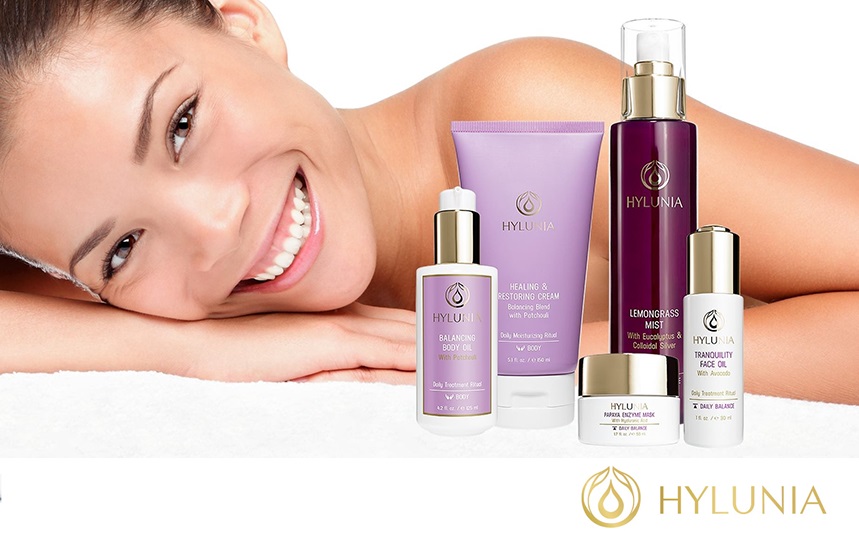
Understanding eczema at the cellular level explains why basic moisturizers often disappoint. Most moisturizers focus on adding water (humectants) and sealing it in (occlusives). While helpful, they don’t address the fundamental lipid deficiency or provide the specific building blocks your compromised barrier needs to actually repair itself.
Your skin needs the specific lipids it’s deficient in – ceramides, cholesterol, and fatty acids in the right ratios. Simply hydrating without barrier repair is like continuously filling a leaky bucket without fixing the holes.
Targeted Strategies for Barrier Repair
Armed with understanding of what’s actually wrong at the cellular level, you can implement strategies that address root causes rather than just symptoms.
Lipid Replacement Therapy
Use moisturizers specifically formulated to replace the lipids your skin lacks. Look for products containing ceramides (particularly ceramides 1, 3, and 6), cholesterol, and free fatty acids. Research shows that products with these three components in physiological ratios (3:1:1) most effectively repair eczema-damaged barriers.
Apply these barrier-repair moisturizers at least twice daily, and more frequently during flares. You’re not just moisturizing – you’re providing the actual materials your skin needs to rebuild its compromised structure.
Gentle Cleansing That Preserves Lipids
Every time you cleanse, you remove some of the precious lipids your skin struggles to produce. Use gentle, soap-free cleansers that clean without stripping. Limit bathing to once daily with lukewarm water, and keep showers brief. Pat skin dry gently and apply moisturizer immediately while skin is still slightly damp.
Anti-Inflammatory Support
While repairing your barrier, you also need to calm the inflammation driving the itch-scratch cycle. Colloidal oatmeal provides gentle anti-inflammatory and anti-itch benefits. Niacinamide at 2-5% reduces inflammation while supporting barrier repair – a dual action particularly valuable for eczema. For severe inflammation, prescription topical steroids or calcineurin inhibitors quickly control flares, giving your barrier a chance to repair.
Antimicrobial Strategies
Since eczema-prone skin has reduced natural antimicrobial defenses, preventing bacterial overgrowth helps reduce flares. Dilute bleach baths (1/4 to 1/2 cup bleach in a full bathtub) twice weekly can reduce bacterial colonization without harsh effects. This mimics the chlorination of swimming pools and helps control Staph aureus that worsens eczema.
Some people benefit from antimicrobial ingredients like zinc pyrithione or honey in their skincare, though always introduce new treatments cautiously to avoid additional irritation.
Supporting Barrier Function From Within
Topical strategies work best when supported by internal approaches that optimize your skin’s ability to build and maintain its barrier.
Dietary Considerations
Omega-3 fatty acids from fish, flaxseed, or supplements provide building blocks for skin lipids and reduce systemic inflammation. Some people find that eliminating dairy, eggs, or other trigger foods reduces flare frequency, though this is highly individual. An anti-inflammatory diet rich in colorful vegetables and healthy fats supports overall skin health.
Hydration and Humidification
Adequate water intake supports your skin’s moisture content from within. Using humidifiers, especially in winter, prevents environmental conditions from worsening your skin’s moisture loss through its compromised barrier.
Stress Management
Stress worsens eczema by triggering inflammatory pathways and compromising immune function. Mind-body practices like meditation, yoga, or therapy can reduce flare frequency and severity. For many people, addressing stress is as important as topical treatment.
The Bottom Line
Eczema stems from fundamental barrier dysfunction at the cellular level, involving lipid deficiencies, reduced filaggrin, immune system overactivity, and compromised antimicrobial defenses. Understanding these mechanisms explains why simple moisturizing isn’t enough – you need targeted barrier repair with specific lipids your skin lacks.
Effective management combines barrier-repair moisturizers with ceramides and cholesterol, gentle cleansing that preserves lipids, anti-inflammatory strategies, and antimicrobial support. Prescription treatments control inflammation when needed, while dietary and lifestyle factors support skin health from within.