
Most anti-aging skincare is built around one core idea: push the skin to change faster. Increase turnover. Resurface. Exfoliate. Stimulate. That approach can work, but it often comes with a price, especially as skin becomes more reactive with age, stress, hormones, or barrier breakdown. Many women reach a point where their skin no longer tolerates constant intensity. The result is a familiar cycle: progress, irritation, recovery, repeat.
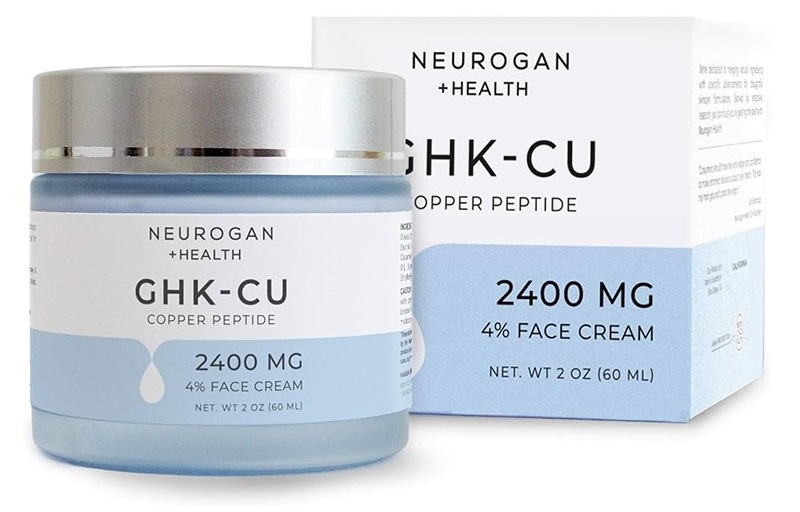
GHK-Cu copper peptides sit in a different category. Instead of functioning like a “do more, faster” ingredient, GHK-Cu is best understood as a signaling and support ingredient. It is associated with the idea of skin communication, recovery, and long-term resilience. That difference matters because it changes what you should realistically expect, how you should use it, and why it can feel especially appealing to women who want results without feeling like they are at war with their skin.
Contents
What GHK-Cu Actually Is
GHK-Cu is short for a peptide called GHK (glycyl-L-histidyl-L-lysine) bound to copper. If that sounds technical, here is the simple version: it is a tiny chain of amino acids paired with copper that appears in the body naturally. In skincare, it is discussed as a copper peptide because copper plays roles in many biological processes, including those related to tissue structure and repair.
In topical skincare, GHK-Cu is typically used in creams or serums designed to support hydration, a smoother look, and the appearance of firmer, healthier skin over time. It is not a peel. It is not an exfoliant. It is not designed to make your skin shed dramatically. It is designed to support the skin’s own systems in a calmer way.
Why Copper Shows Up In Skincare Conversations
Copper is often discussed in connection with skin because it is involved in enzyme systems and structural support processes in the body. In skincare, the “copper peptide” framing tends to focus on supporting the look of elasticity and recovery. The key point is that copper is not being used as a harsh active. It is being paired with a peptide as part of a signaling concept.
What Peptides Are, In Plain Language
Peptides are short chains of amino acids. Amino acids are the building blocks your body uses to make proteins. In skincare, peptides are often framed as “messenger” ingredients, meaning they can support processes that influence how skin behaves, especially related to firmness, smoothness, and resilience.
Not all peptides work the same way, and not all peptide marketing is trustworthy. That is worth saying plainly. Peptides are a broad category, and many formulas use tiny amounts mainly for label appeal. But the reason peptides are interesting, when properly formulated, is that they fit into a “support and signal” philosophy rather than a “strip and force” philosophy.
Why This Matters For Anti-Aging
Aging skin is often less tolerant of chronic irritation. Many classic anti-aging routines rely on controlled irritation to drive change. That can be effective, but it can also create barrier instability, dehydration, redness, and sensitivity that make skin look older in everyday light. Peptide-focused strategies are often appealing because they aim for steady improvement without constant disruption.
How GHK-Cu Works Differently Than Typical Anti-Aging Ingredients
If you compare GHK-Cu to common anti-aging ingredients, the difference is not that one is “better.” The difference is the mechanism and the tradeoff profile. Many anti-aging ingredients work by creating a strong push. GHK-Cu is more about nudging and supporting.
It Is Not A Resurfacer
Ingredients like exfoliating acids and retinoids often improve texture by increasing turnover. That can soften fine lines and brighten tone, but it can also create dryness and sensitivity if overused. GHK-Cu is not designed to create visible peeling or rapid resurfacing. It is more aligned with the idea of supporting how skin maintains itself.
It Favors “Recovery Skin” Over “Stimulation Skin”
Some routines treat skin like it needs constant stimulation. In reality, many women do better when their routine supports recovery. GHK-Cu tends to fit well in recovery-minded routines because it is often positioned as supportive rather than aggressive.
It May Be Easier To Use Consistently
One of the most underrated factors in skincare results is consistency. An ingredient you use four times a week for a year often beats an ingredient you use intensely for two weeks and then abandon. Copper peptides are often chosen by women who want an active-feeling ingredient that does not punish the barrier.
What Results Are Realistic To Expect
This is where a lot of skincare disappointment comes from: expecting an ingredient to do what only a more aggressive category can do. GHK-Cu is not usually a fast-change ingredient. It is better thought of as a long-game ingredient.
Hydration And Comfort Can Improve First
Many copper peptide creams are formulated to be deeply hydrating and barrier-supportive. That matters because hydrated, comfortable skin looks smoother. Fine lines often appear softer when the barrier is stable and the surface is cushioned.
Smoother Texture Often Comes From Stability
When skin is less inflamed and less dehydrated, texture looks more even. That is a different pathway to “smooth” than exfoliating. It is not about removing layers. It is about helping skin function in a calmer state.
Elasticity Support Is A Slow Outcome
Anything related to firmness and elasticity takes time because it is tied to long-term structural processes. If you use copper peptides, expect gradual improvement rather than a sudden transformation.
Who Tends To Like Copper Peptides Most
GHK-Cu copper peptides are often a good fit for women who feel stuck between wanting anti-aging results and not wanting constant irritation.
If Your Skin Is Dry, Dehydrated, Or Easily Tight
If anti-aging products make you peel, sting, or feel tight, your barrier may be the limiting factor. Copper peptide creams, especially in richer textures, often suit skin that needs comfort and recovery.
If You Are In A “Fewer Actives, Better Skin” Season
Many women eventually realize that stacking actives can create more problems than it solves. Copper peptides can fit into a routine that is minimalist but still feels purposeful.
If You Are Managing Redness Or Reactivity
When redness and sensitivity are present, high-intensity routines can increase inflammation. A supportive approach that prioritizes barrier health often performs better. Copper peptides are frequently used in that type of routine.
How To Use GHK-Cu In A Routine Without Creating Problems
Even supportive ingredients can cause issues if the routine becomes chaotic. The goal is to keep your skincare system stable and predictable.
Start With A Simple Schedule
If you are new to copper peptides, start with once daily or a few times per week and see how your skin responds. “More” is not always better, especially if your skin is sensitive.
Pair It With Barrier Support
Copper peptides tend to work best in routines that prioritize hydration and barrier comfort. Think gentle cleansing, moisturizing layers, and consistent sunscreen. If your skin is chronically dry or irritated, stabilize first.
Be Cautious About Overloading Actives
If you are using strong exfoliating acids and retinoids nightly, adding copper peptides may not fix the underlying problem if your barrier is stressed. Many women get better results by reducing overall intensity and letting supportive products actually support.
Use Sunscreen Daily
Any anti-aging routine is incomplete without sunscreen. UV exposure is a major driver of visible aging and uneven tone. If you want a smoother, more even complexion over time, sunscreen is the non-negotiable base layer.
The Takeaway
GHK-Cu copper peptides work differently than most anti-aging ingredients because they are associated with skin signaling and support rather than rapid resurfacing. That often makes them a better fit for women who want long-term improvements in smoothness, hydration, and resilience without the irritation loop that comes from constant intensity.
If you approach copper peptides with realistic expectations and a barrier-first routine, they can become a calm, steady part of skincare that ages well. Not because they create dramatic overnight changes, but because they support the kind of skin environment where good changes can accumulate.