

If anti-aging skincare were a chess game, retinol and vitamin C would be your queen and rook. Each one is formidable on its own. Together, they cover the board in ways that neither piece could manage alone. The question most people have is not whether these ingredients work, because the evidence on both is compelling, but whether they can actually be used together, and what makes that combination so strategically smart.
The answer lives in biology. Wrinkles are not caused by a single process. They are the visible result of several things going wrong at once: collagen breaking down, cellular turnover slowing, oxidative damage accumulating, and the skin’s repair mechanisms losing their urgency over time. Retinol and vitamin C each interrupt this story at a different chapter. That is precisely what makes them such a logical pairing in well-formulated serums designed to address mature or sun-damaged skin.
Contents
Understanding What Retinol Actually Does
Retinol is a form of vitamin A, and it has one of the longest and most thoroughly researched track records of any ingredient in dermatology. When applied topically, retinol is converted by the skin into retinoic acid, the biologically active form that gets to work at the cellular level. It is not a passive ingredient. It binds to specific receptors in skin cells and essentially reprograms how they behave.
Accelerating Cell Turnover
One of retinol’s most celebrated effects is the acceleration of cellular turnover, the process by which old, damaged skin cells shed and fresh ones rise to the surface. In younger skin, this cycle completes roughly every 28 days. As we age, that pace slows considerably, which is why mature skin can look dull, uneven, and textured. Retinol pushes that cycle back toward its youthful rhythm. The result over time is smoother texture, a more refined appearance, and a gradual softening of fine lines that have formed in the outer layers of the skin.
Stimulating Collagen Production
Below the surface, retinol is doing something equally important. It actively stimulates fibroblasts, the cells responsible for producing collagen and elastin, to ramp up their output. At the same time, it inhibits certain enzymes called matrix metalloproteinases (MMPs) that are responsible for breaking existing collagen down. That two-sided action, building collagen while slowing its degradation, is why retinol consistently outperforms most other ingredients in long-term clinical studies on wrinkle reduction. It is not just filling in lines; it is rebuilding the structural foundation underneath them.
What Vitamin C Brings to the Partnership
Vitamin C serums, particularly those formulated with L-ascorbic acid, the most bioavailable form of the vitamin, approach the wrinkle problem from the outside in. While retinol works largely at the cellular and structural level, vitamin C operates at the surface and just beneath it, neutralizing the environmental aggressors that cause much of the visible damage we associate with aging skin.
Fighting Free Radicals Before They Do Damage
Every time your skin is exposed to UV radiation, pollution, or even the ordinary stress of daily life, it generates free radicals. These are unstable molecules that steal electrons from healthy cells, triggering a chain reaction of oxidative damage. Collagen fibers break. DNA in skin cells gets disrupted. The result, accumulated over years, is exactly what you see in photoaged skin: deep lines, discoloration, loss of firmness, and a leathery texture that no amount of hydration seems to fix. Vitamin C is one of the most effective antioxidants known to neutralize free radicals before they complete that chain reaction. It essentially intercepts the damage at the source.
Brightening and Collagen Synthesis
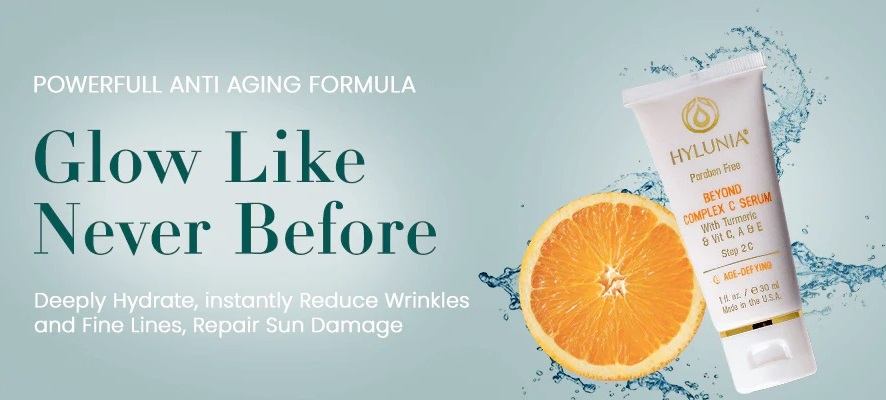
Vitamin C also plays a direct role in collagen synthesis that is easy to overlook when people focus on its antioxidant reputation. The enzyme responsible for building collagen fibers requires vitamin C as a cofactor to function properly. Without adequate vitamin C at the skin level, collagen production slows regardless of how well the fibroblasts are being stimulated. This is why vitamin C serums are not just brightening products. They are, at a fundamental biochemical level, structural support for the skin’s architecture. As a bonus, vitamin C inhibits the enzyme tyrosinase, which is responsible for excess melanin production, helping to fade dark spots and even out skin tone over time.
Two Directions, One Goal
Here is where the partnership becomes genuinely exciting. Retinol works from the inside out, rebuilding cellular machinery, accelerating turnover, and boosting collagen at the structural level. Vitamin C works from the outside in, neutralizing environmental damage, feeding the collagen production process, and brightening the surface. They are not doing the same job. They are doing complementary jobs that, when both are happening simultaneously, address the full spectrum of what causes wrinkles to form and deepen.
Think of it like this: retinol is the renovation crew rebuilding the interior of a house, while vitamin C is the weatherproofing keeping the elements from tearing the exterior apart. You can do one without the other, but only doing both gives you a home that is genuinely protected and improving at the same time.
This is also why high-quality serums that combine retinol with vitamin C alongside complementary ingredients like tripeptides represent a meaningful step forward from single-ingredient approaches. Tripeptides act as cellular messengers that further stimulate collagen and elastin production, reinforcing the work that retinol and vitamin C are already doing from their respective angles. The more intelligently these signals overlap, the more comprehensive the anti-aging effect.
Can You Actually Use Them Together?
For years, a widely repeated piece of skincare advice held that retinol and vitamin C should never be used at the same time, primarily because of concerns about pH compatibility and the potential for irritation. This advice was not entirely without merit, particularly for older, cruder formulations. But modern cosmetic chemistry has largely solved these challenges.
Formulators now understand how to stabilize L-ascorbic acid and deliver retinol in encapsulated or buffered forms that reduce irritation potential while maintaining efficacy. A well-designed serum can house both ingredients in a format where each remains stable and effective. The key is trusting formulas that have done this work thoughtfully rather than trying to layer multiple separate products in a DIY approach, which is where pH conflicts and over-stimulation are more likely to occur.
For those with sensitive skin who are new to either ingredient, starting with a lower concentration and introducing the formula gradually is a sensible path. But the old rule that these two must be kept permanently separate belongs to an earlier era of skincare thinking. The science, and the results people are seeing, tell a different story.