

Not every hero ingredient gets the spotlight it deserves. Honey Locust extract is one of those quietly extraordinary botanicals that has been flying under the radar while delivering serious results.
If you have spent any time reading serum labels, you know the usual suspects: vitamin C, retinol, hyaluronic acid. These are the names that get the headlines. But now and then, an ingredient from an unexpected corner of the natural world earns a permanent place in high-performance formulas. Honey Locust extract is exactly that kind of ingredient. It comes from an unassuming tree, packs a surprising biochemical punch, and increasingly shows up alongside vitamin C serums and peptide complexes in some of the most thoughtfully crafted anti-aging products on the market. Here is why that makes complete sense.
Contents
What Exactly Is Honey Locust?
Honey Locust (Gleditsia triacanthos) is a deciduous tree native to central North America. You might have walked past one without a second glance. It produces long, flat seed pods containing a sweet pulp, which is how it earned the “honey” in its name. For centuries, Indigenous communities used various parts of the tree for food and folk medicine. What modern skincare science finds interesting, though, is the chemistry tucked inside those pods and seeds.
The Compounds That Make It Remarkable
Honey Locust extract is rich in polysaccharides, flavonoids, and saponins. Think of polysaccharides as the skin’s hospitality committee: they attract and hold moisture at the surface, creating a plump, supple appearance almost immediately after application. Flavonoids are potent antioxidants that help neutralize free radicals, those unstable molecules that accelerate cellular damage and contribute to fine lines, uneven tone, and loss of elasticity. Saponins bring gentle cleansing and anti-inflammatory properties to the table, helping to calm irritation and support a more balanced complexion.
Together, these compounds create what formulators sometimes call a “synergistic botanical profile,” meaning the whole is noticeably greater than the sum of its parts. That is not marketing speak. It reflects the reality that plant extracts contain complex molecular ecosystems that work together in ways isolated synthetic compounds simply cannot replicate.
Why Anti-Aging Formulas Love It
Anti-aging skincare is, at its core, a story about collagen. From our mid-twenties onward, the body produces less of it each year. Skin loses its scaffolding, and the result is the gradual softening of features we associate with aging. This is where Honey Locust extract becomes particularly interesting, because research points to its ability to support and encourage collagen synthesis. It does not just sit on the surface; it communicates with the deeper layers of the skin where structural proteins are built and maintained.
A Lifting and Firming Effect
One of the most sought-after qualities in an anti-aging product is the ability to visibly lift and firm without the intervention of a needle or a scalpel. Honey Locust extract contributes to this effect through two mechanisms working in concert. First, its polysaccharides form a lightweight, breathable film on the skin’s surface that physically tightens as it dries, creating an immediate tightening sensation. Second, and more meaningfully over time, its collagen-supportive properties help rebuild the dermal matrix from within, resulting in firmer skin that reflects sustained use rather than just a fleeting product moment.
This is the distinction between what skincare enthusiasts call “cosmetic” versus “functional” results. A cosmetic result is a visual trick. A functional result is a structural change. The best anti-aging formulas aim for both, and Honey Locust extract is unusually capable of delivering on that front.
Anti-Inflammatory Properties That Protect Aging Skin
Here is something that does not get enough attention in anti-aging conversations: chronic low-grade inflammation, sometimes called “inflammaging,” is one of the primary drivers of accelerated skin aging. Environmental stressors, UV exposure, pollution, and even stress itself trigger inflammatory responses that break down collagen, disrupt the skin barrier, and leave skin looking dull and tired. Honey Locust’s flavonoids help interrupt this cycle by calming the skin’s inflammatory response, essentially giving the repair mechanisms room to do their job without constant interference.
How It Performs Alongside Other Powerhouse Ingredients
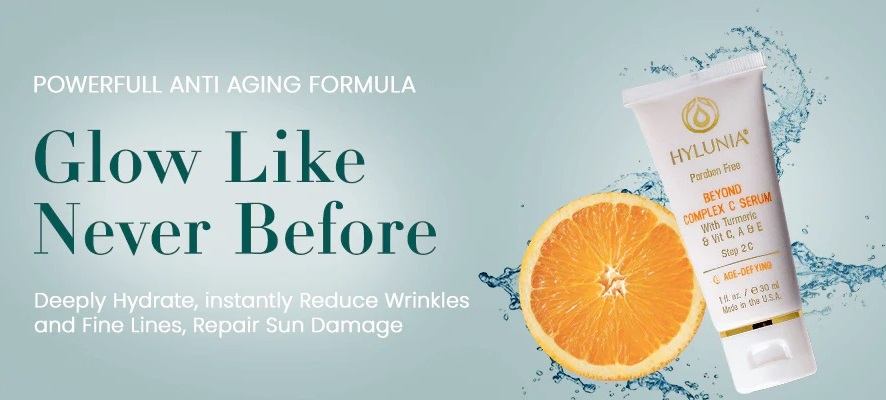
Honey Locust extract does not need to carry an entire formula on its own, and it works best when it does not have to. Pairing it with vitamin C serums is a particularly intelligent combination. Vitamin C, in its most bioavailable form as L-ascorbic acid, is one of the most well-documented collagen-boosting and brightening ingredients in dermatology. When Honey Locust’s natural antioxidant capacity reinforces vitamin C’s own free radical defense, the protective umbrella over the skin becomes significantly wider.
Add tripeptides into the picture, and the synergy deepens further. Tripeptides are short chains of amino acids that act as molecular messengers, signaling to skin cells that it is time to produce more collagen and elastin. Honey Locust supports the environment those peptides need to thrive by reducing inflammation and maintaining the skin’s structural integrity. It is a bit like preparing the soil before planting seeds: the seeds, in this case the peptides, do better because the conditions around them are healthier.
Other botanicals that complement Honey Locust beautifully include Kakadu Plum, which holds the record for the highest natural concentration of vitamin C found in any plant, and Kangaroo Paw Flower, a uniquely Australian ingredient that has attracted attention for its skin-smoothing and moisture-regulating properties. When these ingredients appear together in a single formula, they create a layered defense against aging that addresses hydration, oxidative stress, inflammation, and collagen production all at once.
Who Should Pay Attention to This Ingredient
The straightforward answer is: most adults with any interest in maintaining youthful skin. That said, Honey Locust extract is especially worth seeking out if your skin is showing early to moderate signs of aging, such as softening along the jawline, the appearance of fine lines around the eyes or mouth, or a general loss of the “bounce” that characterizes younger skin. It is also a great option for those with sensitive complexions who want anti-aging results without relying entirely on potentially irritating acids or high-concentration retinol formulas.
Because of its gentle anti-inflammatory profile, Honey Locust extract is unlikely to cause redness, purging, or sensitivity, which makes it a welcome addition for people who have felt burned before by more aggressive ingredients. Think of it as the diplomatic ingredient: it gets results without creating drama.